
What is Medicare?
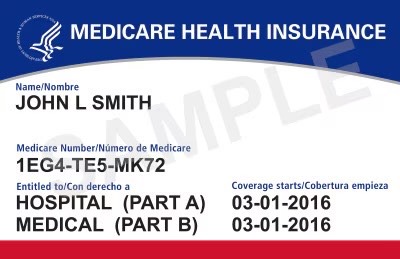
Medicare is a federal health insurance program primarily designed for people age 65 and older, although some individuals under 65 may qualify due to certain disabilities or medical conditions
Medicare was established in 1965 to ensure that older Americans have access to affordable healthcare. While it provides broad coverage for many medical services, it does not cover everything. Because of this, beneficiaries often choose additional coverage options to help reduce out-of-pocket costs or expand their benefits
Medicare is divided into several parts, each covering different types of healthcare services
When Do People Become Eligible for Medicare?
Most people become eligible for Medicare when they turn 65
Eligibility typically occurs during what is known as the Initial Enrollment Period, which is a 7-month window that includes:
3 months before the month you turn 65
The month you turn 65
3 months following your 65th birthday month
Many people choose to enroll three months before turning 65 so their coverage can begin right away when they become eligible
Some individuals receive Medicare automatically, while others must actively enroll


Medicare Part A
(Hospital Insurance)


Medicare Part A is commonly referred to as hospital insurance. It helps cover costs associated with inpatient medical care
Most people receive Part A with no monthly premium if they or their spouse paid Medicare taxes while working for at least 10 years (40 quarters)
Part A generally covers:
Inpatient hospital stays
Skilled nursing facility care (following a qualifying hospital stay)
Hospice care
Some home health services
While Part A covers many hospital-related expenses, it still includes deductibles and cost sharing, which means beneficiaries may still be responsible for certain costs
Medicare Part B
(Medical Insurance)


Medicare Part B covers outpatient medical services and physician care
This includes services such as:
Doctor visits
Specialist appointments
Preventive services and screenings
Lab work and diagnostic testing
Outpatient procedures
Durable medical equipment (such as wheelchairs or oxygen equipment)
How To Enroll in Medicare Part A and Part B
Some individuals are automatically enrolled in Medicare Parts A and B if they are already receiving Social Security or Railroad Retirement benefits before turning 65
Others will need to enroll themselves.
Enrollment can be completed through the Social Security Administration and can be done:
Online through the Social Security website
Over the phone
In person at a Social Security office
It is recommended that individuals apply about three months before turning 65 to ensure their coverage begins on time
What Original Medicare Does Not Cover
While Medicare provides strong hospital and medical coverage, there are several services it generally does not cover such as:
Routine dental care
Vision exams and eyeglasses
Hearing aids
Most prescription drugs (unless a separate Part D plan is added)
Many wellness or lifestyle benefits
This is one reason many people explore Medicare Advantage plans, which frequently bundle these additional benefits


What is a Medicare Advantage plan?
(Commonly Referred to as Medicare Part C)
Medicare Advantage also known as Medicare Part C is an alternative way to receive your Medicare benefits. Instead of getting your Medicare coverage through the federal government (Original Medicare), you get it through a private insurance company that is approved and contracted by Medicare.
You enroll in a Medicare Advantage plan through a private insurance company. That plan becomes your primary insurer instead of the federal Medicare program. The insurance company provides you with a network of doctors, specialists, hospitals, and possibly pharmacies to use.
Monthly premium: Most plans cost $0/month (though you must still pay your Part B premium, which is usually taken from your Social Security check)
Copays/coinsurance: Pay-per-service (e.g., $10 to see your PCP, $40 to see a specialist)
Out-of-pocket maximum: Once you hit this limit, the plan pays 100% of covered costs for the rest of the year
What is Part C?
How Does It Work?
What Will It Cost?
Pro's & Con's of Part C
Pro's
Con's
All-in-one coverage (medical, hospital, and often prescription + dental/vision)
Lower or $0 monthly premiums
Extra benefits not covered by Original Medicare
Annual out-of-pocket maximum for medical expenses
Coordinated care through provider networks
Provider networks may be limited to your local area
Referrals may be required
You may need prior authorizations for certain services
Plan rules and benefits can change every year
Out-of-network care can be expensive or not covered, depending on the plan type


Medicare Part C
Medicare Advantage (Continued)
Medicare Advantage (Part C) plans are offered by private insurance companies that are approved by Medicare
These plans combine the coverage of Medicare Part A and Part B into a single plan and are required to provide at least the same level of coverage as Original Medicare
Most Medicare Advantage plans also include additional benefits that Original Medicare typically does not cover
These often include:
Dental services
Vision care
Hearing exams and hearing aids
Prescription drug coverage
Fitness programs
Transportation or wellness benefits
Many Medicare Advantage plans are available with $0 monthly premiums although members must still continue paying their Part B premium
Costs such as co-pays and coinsurance vary depending on the specific plan
It is also important to understand that Medicare Advantage plans vary by county, meaning the plans available in one area may be different from those offered in another
Chronic Condition Special Needs Plans (C-SNPs)
Certain Medicare Advantage plans are specifically designed for individuals with chronic health conditions
These are known as Chronic Condition Special Needs Plans
These plans are built to better manage specific health conditions and often offer:
Lower copays for condition-related care
Coordinated care programs
Additional benefits tailored to those health needs
Most plans offer an allocated allowance for healthy foods.
Qualifying conditions may include things such as diabetes, cardiovascular disorders, kidney disorders or chronic heart conditions


Medicaid and How It Differs From Medicare
While Medicare is a federal health insurance program
Medicaid is a state and federally funded program designed to assist individuals with limited income and financial resources
Medicaid programs vary by state, meaning eligibility rules and benefits can differ depending on where a person lives
People may qualify for Medicaid based on factors such as:
Income level
Household size
Disability status
Long-term care needs
Some individuals qualify for both Medicare and Medicaid
These individuals are commonly referred to as dual eligible


Medicare and Medicaid Together
When someone has both Medicare and Medicaid they may receive significant additional support with healthcare costs
Medicaid can help cover expenses such as:
Medicare premiums
Deductibles
Copayments
Certain long-term care services
Individuals who qualify for both programs may also be eligible for special Medicare Advantage plans designed specifically for dual eligible beneficiaries


These plans often include additional benefits such as:
Enhanced dental coverage
Over-the-counter benefit allowances
Food or utility assistance programs (depending on plan availability)
Transportation services
Care coordination services
Because Medicaid eligibility and benefits vary by state, the exact coverage and assistance available can differ from one location to another


Finding the right plan for your needs


There’s no one-size-fits-all Plan
Every Medicare Advantage plan has different premiums, networks, and benefits—what works for someone else may not work for you
Benefit trade-offs are common. You might get great dental but limited hearing aid coverage, or strong vision but weaker over-the-counter benefits
Lower copays usually mean fewer extras. Plans with lower out-of-pocket costs tend to offer less robust ancillary benefits like dental, vision, or fitness perks
When Can You Enroll?
(In a Medicare Advantage Plan)
Initial Enrollment Period (IEP)
When: 7-month window around 65th birthday
Who: New to Medicare (age 65 or disabled)
What You Can Do:Enroll in Parts A & B
Join a Medicare Advantage (Part C) plan
Join a Part D drug plan
Buy a Medigap (supplement) policy
Annual Enrollment Period (AEP)
When: October 15 – December 7
Who: All Medicare beneficiaries
What You Can Do:Switch from Original Medicare ↔ Medicare Advantage
Switch Advantage plans
Join, drop, or switch a Part D plaN
Changes Take Effect January 1st


Medicare Advantage Open Enrollment Period (MA OEP)
When: January 1 – March 31
Who: People currently enrolled in a Medicare Advantage plan
What You Can DoSwitch Advantage plans
Drop Advantage and return to Original Medicare (and join Part D)
Note: Cannot switch from Original Medicare to Advantage during this period


Medigap (Supplement) Enrollment Period
When: 6 months after you’re 65 and enrolled in Part B
Who: Those wanting Medigap (to pair with Original Medicare)
What You Can Do
Buy any Medigap plan with no health questions asked
Note: After this period underwriting may apply


Special Enrollment Periods (SEPs)
When: Varies by life event
Who: People with qualifying circumstances (e.g., moved, lost coverage, Medicaid changes)
What You Can DoEnroll in, switch, or drop Part A, B, C, or D plans
Avoid penalties with valid SEP reason
Examples: Moved, lost employer coverage, gained/lost Medicaid, plan termination
Types of Plan Networks
HMO (Health Maintenance Organization)
What it means
An HMO plan requires members to use a specific network of doctors and hospitals. Care must be coordinated through a Primary Care Physician (PCP), and referrals are needed to see most specialists
Key features
PCP required
Referrals needed for specialists
No coverage outside the network (except in emergencies or urgent care)
Usually has lower monthly premiums and out-of-pocket costs


PPO (Preferred Provider Organization)
What it means
A PPO plan offers more flexibility in choosing healthcare providers. Members can see any doctor or specialist, but they’ll pay less when staying in-network
Key features
No PCP required
No referrals needed for specialists
Out-of-network coverage available, but more expensive
Usually higher premiums than HMO plans
Who it's best for:
People who want freedom to choose doctors without referrals, even if it means paying more.




POS (Point of Service)
What it means
A POS plan combines elements of HMO and PPO. You choose a PCP and need referrals for specialists, but you have limited out-of-network coverage if you're willing to pay more
Key features
PCP required
Referrals needed
Out-of-network care is partially covered, but higher cost
Balances cost savings of HMO with flexibility of PPO


PFFS (Private Fee-for-Service)
What it means
A PFFS plan lets members see any Medicare-approved provider who agrees to accept the plan’s payment terms. No network restrictions, but providers must accept the plan on a case-by-case basis
Key features
No network — freedom to choose providers
No PCP or referrals required
Doctors/hospitals can refuse to accept the plan, even if they previously accepted it
Costs and coverage can vary widely
Medicare Advantage Vs. Medicare Supplement
What Is Medicare Advantage (Part C)?
Offered by private insurers as an all-in-one alternative to Original Medicare
Includes Part A, B, and usually Part D (prescription drugs)
May include dental, vision, hearing, OTC, fitness, and more
You still pay your Part B premium
Low or $0 monthly plan premiums
Uses provider networks (HMO or PPO)
Copays/coinsurance apply when you use services
Annual maximum out-of-pocket protection
Benefits and costs can change each year
What Is a Medicare Supplement (Commonly Refered to as Medigap)?
Works alongside Original Medicare (Parts A & B)
Covers some or all deductibles, copays, and coinsurance
No extra benefits (dental, vision, hearing, prescriptions)
Requires separate Part D drug plan
Higher monthly premiums, but fewer surprise costs
No network restrictions—see any doctor who accepts Medicare
Coverage is stable year after year
May require medical underwriting if enrolling late



Why Understanding Medicare Matters
Medicare provides an essential foundation for healthcare coverage in retirement, but navigating the program can often feel overwhelming due to the number of options available.
Understanding the differences between Original Medicare, Medicare Advantage plans, and Medicare Supplements can help individuals choose coverage that best fits their healthcare needs, financial situation, and lifestyle.
Because plan availability, networks, and benefits can vary by location, it is often helpful to review available options with a licensed professional who can explain the details and help individuals make informed decisions about their coverage


Our Mission
At Argos Insurance Solutions, our mission is to provide clear guidance, dependable service, and lasting support to every client we serve. We believe that choosing health and life insurance coverage should never feel confusing or overwhelming, which is why we are committed to explaining plan options with patience, clarity, and honesty.
We recognize that healthcare needs, medications, and plan benefits can change from year to year. By staying informed about industry updates and conducting thoughtful annual reviews, we help ensure that each client’s coverage continues to align with their needs while identifying opportunities for improved benefits or cost savings whenever possible.
For General Inquiries:
contactus@argosinsurancesolutions.com
Contact Us:
For a free quote personalized for your needs, please fill out our questionnaire under the contact us tab
Our licensed agents are available to speak with you and answer any questions you may have.!
For your convenience we are available seven days from 8:00 AM - 8:00 PM Eastern Time
There is absolutely no cost to speak with us and no obligation of any kind
Our goal is simply to provide clear information and help you understand the options available to you
Use the link above to schedule a consultation with a licensed agent at a time that works best for you
There is NO FEE for this consultation & NO obligation to make any changes to your current plan
We always start by reviewing your current coverage to ensure you are receiving the strongest benefits available in your specific area. These options do vary county to county and state to state.
This evaluation typically involves reviewing information such as your doctors, prescriptions, and current plan details to see if there are any opportunities to improve your coverage or add additional benefits (often at no cost for the plan itself)
While the appointment window is scheduled for up to one hour, most consultations take less time.
We simply allow extra time so we can complete a thorough review without rushing and answer any questions you may have
Appointments can be scheduled as soon as two hours from now and up to 40 days in advance